In this article
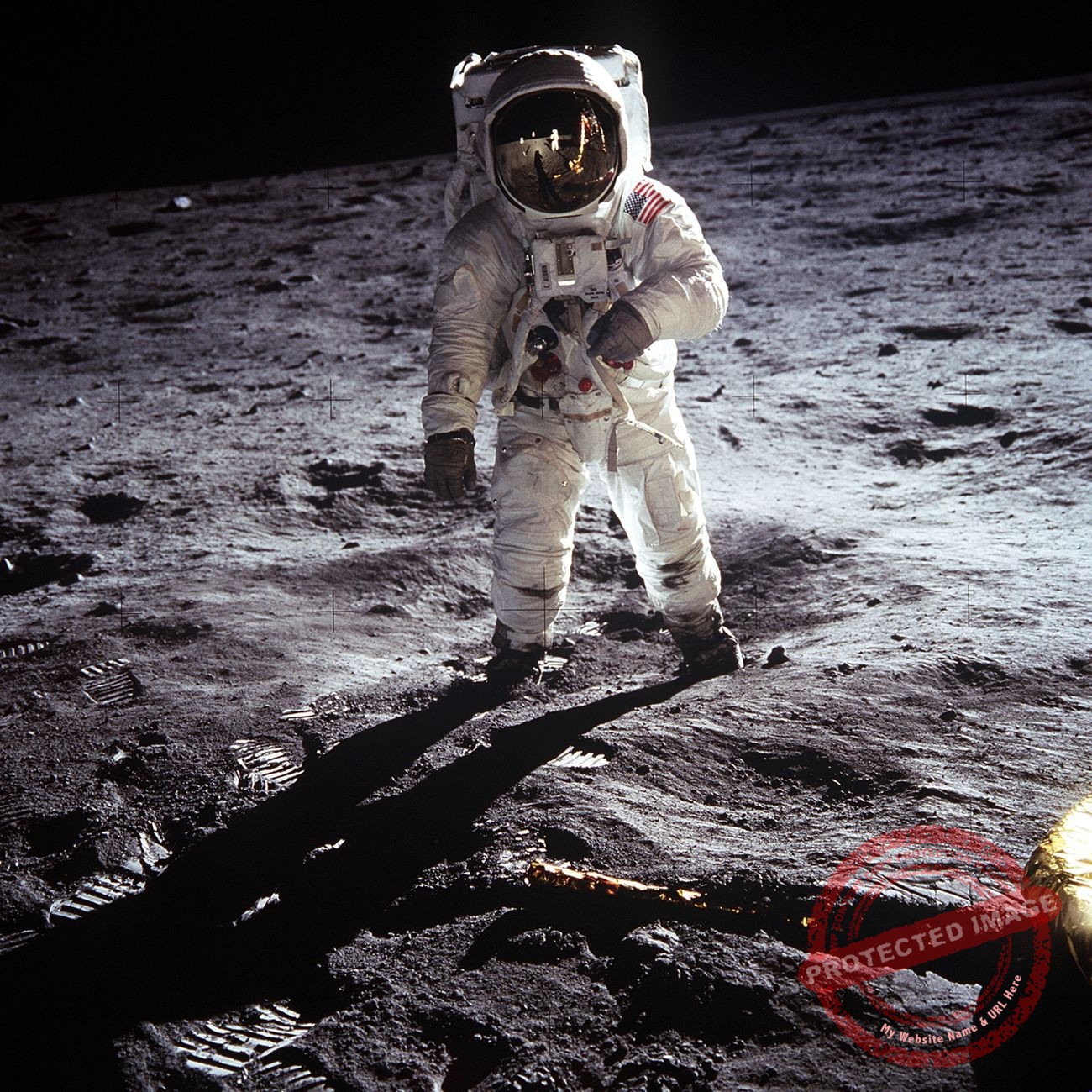
When the Apollo 17 crew left the Moon in December 1972, nobody expected the silence to last more than half a century. That silence is now close to ending. In April 2026, NASA’s Artemis II flew four astronauts around the Moon and brought them home, and China says it will land its own astronauts on the lunar surface before 2030.
No wonder the phrase “new Moon race” is everywhere. Here is where the United States and China actually stand as of October 2026, how their plans differ, and whether this really is a race.
Why go back?
Apollo was about getting there first. This time the prize is different. Both countries are aiming for the Moon’s south pole, where permanently shadowed craters may hold water ice. If that ice can be turned into drinking water, oxygen and rocket fuel, a long-term base becomes far more practical. We cover this in our articles on ice in the Moon’s polar craters and lunar resources.
The Moon is also a proving ground for the technology needed for Mars. So the contest is not only about who arrives first, but about who can stay.
The American path: Artemis
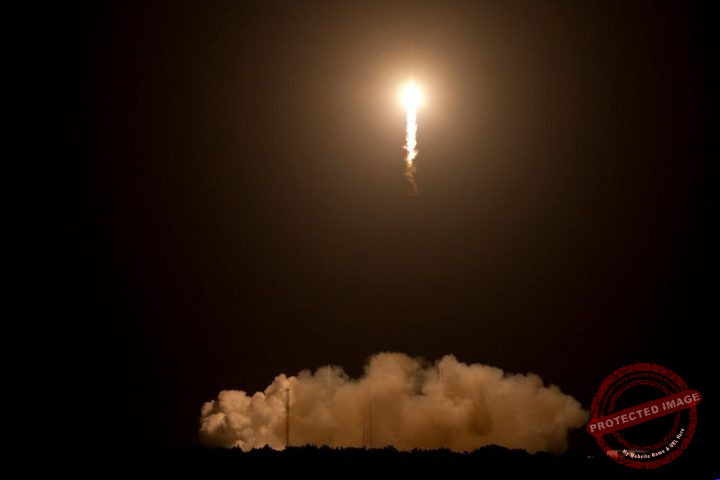
Artemis II lifted off on an SLS rocket on 1 April 2026. Reid Wiseman, Victor Glover, Christina Koch and Canada’s Jeremy Hansen flew Orion around the Moon and splashed down in the Pacific on 11 April, setting a new record for the farthest humans have travelled from Earth.
The landing was supposed to come next. In February 2026, NASA changed the plan. Artemis III, now targeted for 2027, will stay in low Earth orbit. Its crew – Randy Bresnik, Frank Rubio, Andre Douglas and ESA’s Luca Parmitano – will practise docking Orion with test versions of SpaceX’s Starship and Blue Origin’s Blue Moon landers and will try out the new AxEMU spacesuit. On 13 October 2026, NASA reported that booster stacking for the Artemis III rocket was complete.
That makes Artemis IV, targeted for early 2028, the first planned landing, with two astronauts heading for the south polar region. Whether they ride Starship or Blue Moon depends on how Artemis III goes. The Gateway station that was to orbit the Moon was dropped in March 2026, and NASA is now focused on a base on the surface. Read more in our guide to NASA’s upcoming missions.
China’s path: Mengzhou and Lanyue
Experts often say China’s plan looks a lot like Apollo. It has three main pieces:
- Long March 10: a new heavy rocket built for lunar missions. Each landing needs two of them.
- Mengzhou (“dream vessel”): the crew ship that carries three astronauts to lunar orbit.
- Lanyue (“embracing the Moon”): a lander of about 26 tonnes, fuelled, that takes two astronauts to the surface.
One rocket sends Lanyue into lunar orbit, the second sends Mengzhou with the crew. The two dock above the Moon, and two astronauts transfer to the lander and descend. China is also building a two-seat rover with a planned range of about 10 km and a lunar spacesuit called Wangyu.
Testing is moving quickly. In August 2025, a Lanyue test article practised landing and taking off again. On 11 February 2026, a Long March 10A test flight carried a Mengzhou capsule that performed an abort at the moment of maximum aerodynamic pressure and parachuted safely into the sea, while the rocket stage flew itself back and splashed down about 200 m from its recovery ship. The next milestone is Mengzhou-1, an uncrewed orbital flight to the Tiangong space station planned for late 2026; it had not flown as of 22 October 2026.
Reported schedules have uncrewed rehearsals in 2027-2028 and the crewed landing in 2029; the official goal stated by the China Manned Space Agency (CMSA) is “before 2030”. No landing site has been officially chosen. China’s robotic Chang’e-7 south-pole mission was rolled out for launch in August 2026 but postponed at the last minute; Chinese officials said it could not launch in this year’s window, and no new date had been announced by October 2026.
The two programmes side by side
| United States (Artemis) | China | |
|---|---|---|
| Rocket | SLS plus commercial rockets | Long March 10 (two per mission) |
| Crew ship | Orion | Mengzhou |
| Lander | Starship or Blue Moon | Lanyue |
| Astronauts on the surface | 2 | 2 |
| Target | Early 2028 (Artemis IV) | Before 2030 |
| Status, October 2026 | Artemis II flown; Artemis III in preparation | Abort test passed; first orbital flight still ahead |
Is it really a race?
On paper the United States is ahead. But its landers are large, brand-new vehicles. Starship, for example, has to be refuelled in Earth orbit by several tanker flights before it can head for the Moon, and that has not yet been fully demonstrated. China’s approach is simpler and closer to Apollo, which some analysts think leaves less room for delays.
But arriving first is not the whole contest. Victoria Samson of the Secure World Foundation told Scientific American that she thinks China has “a better chance of getting a permanently crewed station on the moon first”.
The race is also between two groups of partners. By 19 October 2026, 77 countries had signed the US-led Artemis Accords (Uzbekistan was the 77th), while China and Russia lead the International Lunar Research Station (ILRS) plan. For a different angle on crowding the Moon, see our article on whether the new Moon race could turn it into a dumping ground.
What to watch in the next 12 months
- The first orbital flight of China’s Long March 10A with Mengzhou-1 (planned for late 2026).
- The SLS tanking test and preparations for the 2027 launch of Artemis III.
- Starship’s in-orbit propellant transfer tests and Blue Moon landing tests.
- A new launch date for Chang’e-7. More on China’s robotic programme in our article on the Chang’e missions.
India is part of the story too: Chandrayaan-3 landed near the south pole in 2023 (see India’s Moon missions). For the original landings, revisit Apollo, mission by mission.
Whoever gets there first, there is a good chance we will see fresh footprints on the Moon within the next few years.
Sources
- NASA – NASA Completes Artemis III Booster Stacking, Shares Status Update (13 Oct 2026)
- Wikipedia – Artemis program
- Scientific American – How China could still win the new Moon race
- Wikipedia – Long March 10
- Wikipedia – Lanyue
- Moon Monday #258 – Tests China will conduct in 2026 toward landing humans on the Moon
- Wikipedia – Chang'e 7
- NASA – Artemis Accords (77 signatories, Uzbekistan 19 Oct 2026)